
What Bedroom Furniture Works Best for Storage Needs?

The modern bedroom faces a paradox: we own more belongings than ever, yet our rooms keep shrinking. Urban apartments now average 200-250 square feet for a primary bedroom, and with roughly 30% of adults maintaining some form of workspace in their sleeping quarters, every square inch matters. Storage-focused furniture isn’t a luxury; it’s a necessity for creating a calm, functional space where you can actually rest. Good design thoughtfully integrates storage solutions with lighting choices, such as warm bulbs and dimmers, to enhance both functionality and ambiance in small bedrooms.
When we talk about storage furniture, we mean pieces that do more than hold a mattress or provide a surface for your lamp. These are beds with built-in drawers, wardrobes that stretch to the ceiling, nightstands with hidden compartments, and benches that conceal spare bedding. The goal is simple: every piece of furniture should earn its place by solving a storage problem.
This article will walk you through exactly which furniture types work best for bedroom storage, then break down specific pieces, layouts, and organisation strategies. Whether you’re working with a compact 9 m² city flat or a generous family bedroom that simply lacks built-in closets, these principles apply.
Consider two common scenarios. In a small city bedroom, perhaps 3 metres by 3 metres, there’s barely room for a double bed, let alone a wardrobe and desk. Here, every piece must be multifunctional, and under-bed storage becomes prime real estate. In contrast, a larger main bedroom might have ample floor space but zero built-in closets, requiring freestanding wardrobes and dressers to handle everything from daily clothes to out-of-season clothing. Different challenges, but the same solution: choose furniture that stores as much as it serves.
Assessing Storage Needs: Understanding What You Really Need to Store
Before you invest in new bedroom storage furniture, take a moment to assess precisely what you need to store. This step is crucial for creating a clutter-free, functional small bedroom that genuinely works for your lifestyle. Start by listing out your belongings, clothes, shoes, accessories, personal care products, and any everyday items that tend to accumulate. Next, sort these items by how often you use them: daily, weekly, or just occasionally.
For items you reach for every day, such as your favorite clothes or shoes, prioritize easy-to-access storage drawers or open shelving near your bed. Floating shelves are perfect for keeping essentials within arm’s reach without taking up valuable floor space. For things you use less frequently, like out-of-season clothing or spare bedding, hidden storage is your best friend. Under-bed storage bins or lidded boxes can keep these items out of sight but still accessible when needed.
By understanding your storage needs and organizing items by frequency of use, you’ll be able to choose the right mix of storage solutions. This approach not only keeps your bedroom clutter-free but also ensures that every piece of furniture, from your bed to your drawers, is working hard to keep your space organized and serene.

Quick Answer: The Best Storage-First Bedroom Furniture Pieces
If you’re short on time, here’s the direct answer: the best bedroom furniture for storage needs combines capacity with functionality. You want pieces that store your belongings while serving another essential purpose in your daily routine.
The hero pieces for any storage-focused bedroom include:
-
Storage bed or ottoman bed – uses the most significant footprint in the room for hidden storage
-
Built-in or tall wardrobe – maximises vertical space up to the ceiling
-
Chest of drawers or dresser – provides dedicated folded storage for everyday items
-
Storage bench or ottoman – adds seating plus concealed space for blankets and extras
-
Bedside table with drawers – keeps nighttime essentials organised and out of sight
-
Headboard with shelving – uses wall space for books, glasses, and small decor
The common thread? Double-duty furniture. Every piece should serve its primary function, sleeping, sitting, or holding a lamp, while also containing storage drawers, compartments, or shelves. When you prioritise this approach, you can furnish a bedroom with fewer total pieces while gaining more storage space than a room full of single-purpose items.
The rest of this article breaks down each furniture type by room size, budget considerations, and exactly what to store inside. Let’s start with the biggest item in any bedroom.
Storage Beds: Using the Biggest Item in the Room to Your Advantage
Your bed occupies the most floor space in any bedroom, typically 4 to 6 square metres, depending on the size. Leaving that area empty underneath represents a massive missed opportunity. A well-chosen storage bed can free up 20-30% of your closet space by relocating bulky items that don’t need daily access.
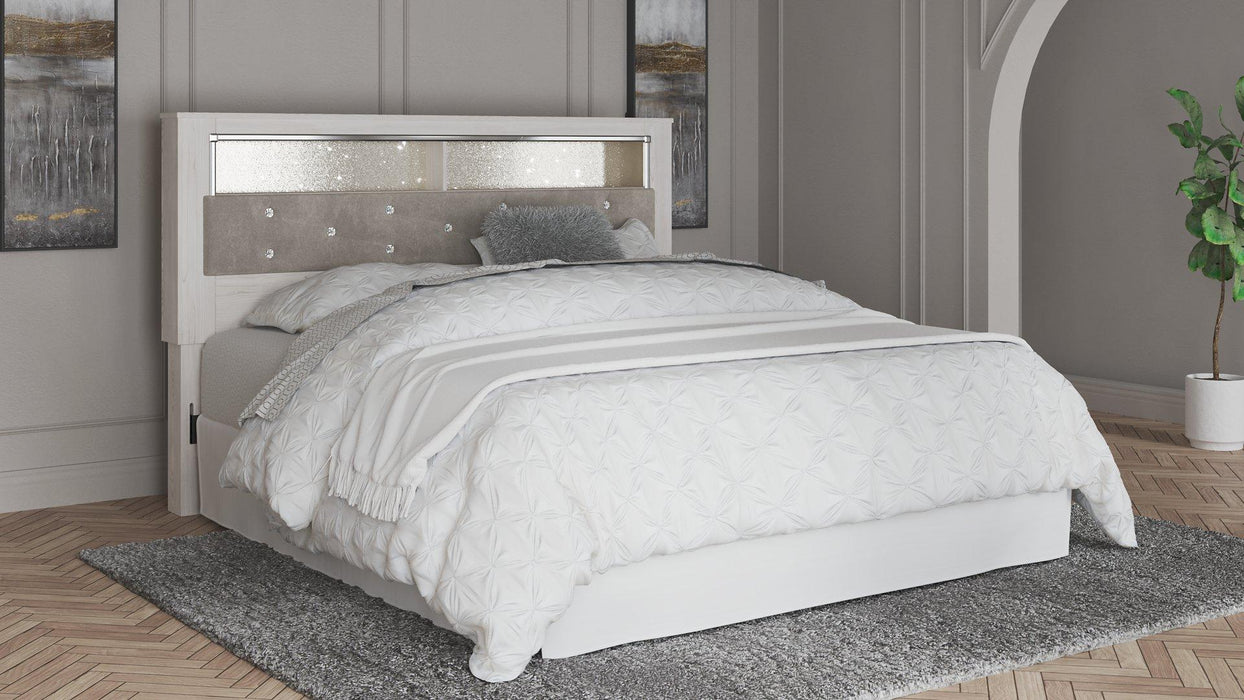
Three main storage bed types dominate the market:
|
Bed Type |
How It Works |
Best For |
Clearance Needed |
|---|---|---|---|
|
Ottoman/lift-up bed |
Mattress lifts via gas pistons to reveal a full under-bed cavity |
Small rooms, bulky seasonal items |
None (lifts straight up) |
|
Drawer bed |
4-8 drawers built into the frame sides |
Rooms with side clearance, daily-access items |
60-70 cm on drawer side(s) |
|
Standard frame + rolling boxes |
Basic frame paired with separate under-bed containers |
Budget-conscious, rental properties |
Some clearance for pulling boxes |
What to store where: Under-bed storage works best for items you need weekly or seasonally, rather than daily. Think spare pillows, guest bedding, winter duvets, out-of-season clothing, and rarely used items like luggage or extra blankets. Keep frequently worn clothes in drawers or wardrobes where access is easier.
Room size considerations: Ottoman beds shine in compact rooms because they require no side clearance; the entire mattress platform lifts straight up. Drawer beds need at least 60-70 cm of clear space beside the bed for drawers to open fully. Before purchasing, measure your room and check that drawers won’t collide with radiators, bedside tables, or doorways.
Materials matter: Upholstered frames visually soften a small room and add texture, while wooden frames create a clean, modern aesthetic. If you’re using separate under-bed boxes, consider labelling them so you can find specific items without lifting the mattress or pulling out every container.
One practical note: if you’re choosing an ottoman bed, look for gas-lift mechanisms rated for your mattress weight. Most quality systems handle 200+ pounds effortlessly, but cheaper models may struggle with heavier mattresses over time.
Built-in Storage Solutions: Seamless Options for a Streamlined Look
Built-in storage is a game-changer for anyone looking to maximize space in a small bedroom while maintaining a polished, streamlined look. Unlike freestanding furniture, built-in storage can be tailored to fit your room’s exact dimensions and layout, making use of every available inch. Think built-in shelves that stretch from floor to ceiling, custom cabinets that fit perfectly into alcoves, or drawers seamlessly integrated into your walls.
A built-in headboard with storage cubbies or shelves can create a convenient spot for books, lamps, and bedtime essentials, all within easy reach but out of sight when not needed. Similarly, a built-in dresser or wardrobe can keep clothes, shoes, and accessories organized without encroaching on your floor space. These solutions not only help you maximize space but also contribute to a clutter-free, calming atmosphere by keeping everything neatly tucked away.
The beauty of built-in storage is its ability to blend with your bedroom decor and layout, creating a cohesive look that feels intentional and stylish. Whether you’re working with a compact room or simply want to create more storage without adding bulky furniture, built-in options offer a smart, long-term solution for keeping your bedroom organized and serene.
Wardrobes and Closet Systems: Maximising Vertical Space
When your bedroom lacks built-in closets, or when the existing closet can’t handle two people’s wardrobes, freestanding wardrobes and closet systems become essential. The key insight here is vertical: most bedrooms have 240-270 cm ceilings, but standard wardrobes stop at 180-200 cm, leaving valuable wall space completely unused.
Tall wardrobes reaching 230-240 cm can store 40-50% more than standard-height models. That extra top section becomes perfect for items accessed rarely: luggage, spare bedding, seasonal accessories, and boxes of keepsakes.
Freestanding vs. built-in systems:
|
Feature |
Freestanding Wardrobe |
Built-in/Wall System |
|---|---|---|
|
Installation |
Minimal, often just assembly |
May require professional fitting |
|
Flexibility |
Can move with you |
Permanent, adds property value |
|
Customisation |
Limited to available models |
Fully tailored to your space |
|
Cost |
Generally lower |
Higher upfront, better long-term |
Internal fittings to prioritise:
-
Double hanging rails (one high, one low) for shirts and jackets
-
Deep shelves for folded items and boxes
-
Pull-out drawers for underwear and accessories
-
Shoe racks or angled shelving for footwear
-
Pull-down rails for high sections if the ceiling exceeds 250 cm
Mirrored wardrobe doors serve a clever double purpose. They eliminate the need for a separate full-length mirror while reflecting natural light and creating the illusion of more space, particularly useful in narrow or north-facing rooms where lighting feels limited.
No closet at all? Consider open clothing systems that combine a clothes rail with a low chest of drawers beneath it. This creates a mini dressing wall that keeps everything visible and accessible. Add fabric bins or lidded bins on upper shelves to contain smaller items and reduce visual clutter.
To keep wardrobes from dominating a room, choose door fronts in simple, calm finishes. Colours close to your wall colour help the wardrobe recede visually rather than becoming the focal point. Store seldom-used items like travel bags in baskets above the wardrobe, out of sight.
Chests of Drawers, Dressers, and Sideboards: Folded Storage That Works Hard
Not everything in your bedroom needs hanging space. Sideboards and similar furniture can house a variety of items, such as books, records, or seasonal bedding, offering both functional storage and an aesthetic boost to your space. Underwear, knitwear, t-shirts, sportswear, and pyjamas all live better in drawers where they stay folded and accessible. This is where dressers and chests earn their place.
Understanding the differences helps you choose wisely:
|
Furniture Type |
Dimensions |
Best For |
Floor Space Impact |
|---|---|---|---|
|
Tall narrow chest |
40-60 inches tall, 18x18 inch footprint |
Narrow walls, corners, and small bedrooms |
Minimal, saves 25-30% vs. dressers |
|
Low wide dresser |
50-60 inches long, 5-9 drawers |
Longer walls, couples, dressing stations |
Larger footprint but more capacity |
|
Sideboard |
Varies, often includes doors and drawers |
Bedroom-office hybrids, hiding bulky furniture, feel |
Medium often looks less “bedroom-like.” |
What belongs in drawers: Daily clothing you reach for every morning, underwear, socks, t-shirts, pyjamas. Also, accessories like belts and scarves, tech cables you need occasionally, and small items that create clutter when left out on surfaces.
Organisation strategies:
-
Use drawer dividers to separate categories
-
Keep shallow top drawers for jewellery, watches, and small accessories
-
Reserve deeper lower drawers for jumpers, jeans, and bulkier items
-
Consider fabric-lined drawers for delicate items
Layout advice: A dresser positioned opposite the bed with a large mirror above creates a natural dressing station. If you have a narrow alcove beside your wardrobe, a tallboy chest slots in ideally, using that awkward space productively.
The top surface of your dresser or chest deserves attention. This area can quickly become a clutter magnet if you’re not intentional. Keep it mostly clear with a small tray for everyday essentials, keys, jewellery you wear daily, and perhaps one or two decor items. Anything more starts adding visual noise back into your bedroom.
Bedside Tables and Nightstands: Small Pieces, Big Storage Impact
Nightstands seem minor compared to beds and wardrobes, but they sit at eye level and within arm’s reach every night. A poorly chosen bedside table becomes a clutter hot-spot faster than any other piece in the bedroom.
Closed vs. open storage nightstands:
|
Style |
Pros |
Cons |
Best For |
|---|---|---|---|
|
Drawers/cupboard doors |
Hides clutter completely, polished look |
Slightly higher cost, requires organisation |
Anyone prone to bedside mess |
|
Open shelves |
Easy access, airy feel |
Shows everything, collects dust |
Minimalists with few bedside items |
|
Floating/wall-mounted shelves |
Frees floor space entirely, modern style |
Limited capacity, requires wall mounting |
Tiny bedrooms, renters with permission |
For particularly tight spaces, wall-mounted shelves or floating bedside ledges eliminate the need for a traditional nightstand altogether. The floor space underneath remains free for baskets, shoes, or a simple, clear walking area. This same approach works brilliantly in a guest room where furniture needs to feel minimal.
What to store in nightstands:
-
Current books or e-readers
-
Phone chargers and cables (nightstands with built-in USB ports reduce cord clutter by up to 50%)
-
Sleep essentials like masks, earplugs, or medication
-
Notebooks and pens for middle-of-the-night ideas
-
Glasses or contact lens supplies
Lighting consideration: Pair storage nightstands with wall-mounted sconces to keep the top surface completely free. If you prefer table lamps, choose compact designs with small footprints that don’t dominate the available space.
Before purchasing, measure your mattress height. The ideal nightstand surface aligns roughly with the top of your mattress, creating a comfortable reach and a cohesive visual line across the bed.
Benches, Ottomans, and End-of-Bed Seating: Hidden Storage + Extra Function
The end-of-bed zone often goes underutilised, a stretch of floor that could be working much harder. A storage bench or ottoman solves two problems simultaneously: it provides seating for putting on shoes or laying out tomorrow’s clothes while concealing 3-5 cubic feet of hidden storage inside.
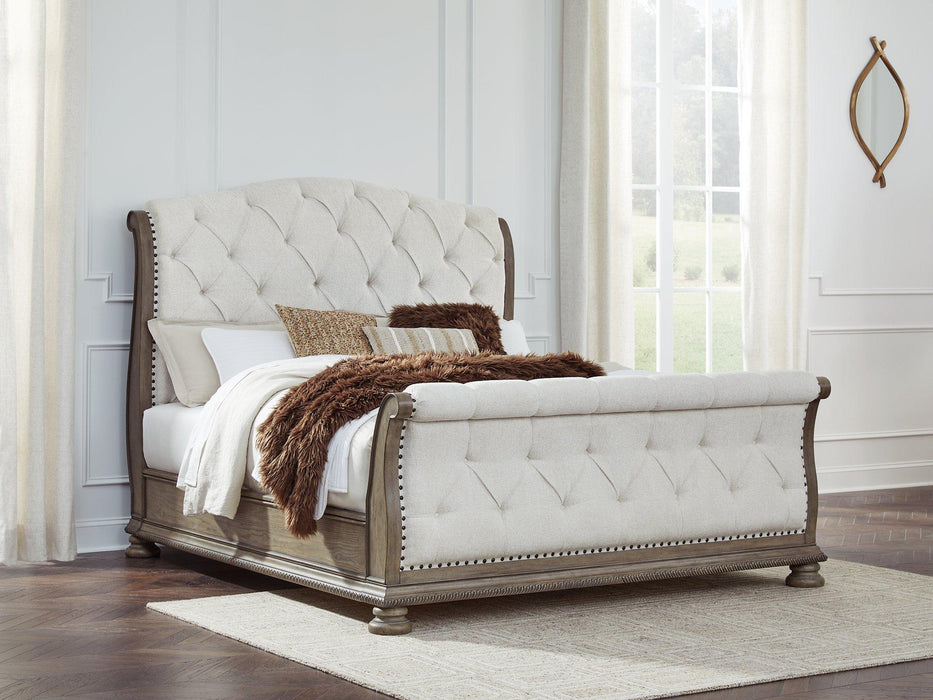
Types of end-of-bed storage:
-
Hinged-top storage benches – Lift the seat to access a cavity below, often 40-50 inches long
-
Deep blanket boxes – Traditional wooden or upholstered chests with full-cavity storage
-
Compact storage ottomans – Smaller footprint, often with removable lids
-
Low trunks – Vintage or rustic style with good capacity for textiles
Ideal contents: Spare blankets, decorative pillows you remove for sleeping, workout gear, guest bedding, and items you use weekly rather than daily. This isn’t the place for everyday items since opening a hinged lid takes more effort than pulling a drawer.
Proportion guidance: Aim for a bench width around two-thirds the width of your bed. In a room under 3 metres wide, check that the bench leaves at least 60 cm of clear walking space on each side of the bed. A bench that forces you to squeeze past it creates frustration rather than functionality.
Design choices:
-
Upholstered benches add softness and texture, complementing fabric headboards
-
Wooden or rattan styles bring natural warmth and work well in minimal or coastal decor
-
Models with internal dividers help separate categories of stored items
Alternative placements: A storage bench doesn’t have to live at the foot of the bed. Under a window, it becomes a reading nook with hidden capacity below. Near your wardrobe, it serves as a perch for getting dressed while storing shoes or accessories.
Headboards, Shelving, and Wall-Mounted Solutions
Walls represent the most underused storage opportunity in most bedrooms. While floors fill up quickly and surfaces collect clutter, vertical wall space often sits completely empty. Using it strategically keeps your room feeling calm while adding practical capacity.
Headboards with built-in storage:
Headboards with integrated shelves or cubbies turn the wall behind your bed into functional space. Small compartments work well for:
-
Current reading material
-
Glasses or contact lens cases
-
Phone and charging cables (keeping them off the bedside table)
-
A small plant or minimal decor
The key to keeping this storage looking tidy? Edit ruthlessly. A headboard shelf crammed with random items defeats the purpose. Keep only what you reach for nightly, and store everything else elsewhere.
Floating shelves around the bed:
Floating shelves and wall ledges extend storage beyond the headboard. Position them:
-
Above the headboard for books and decorative boxes
-
High along a side wall for plants and storage containers
-
In corners that would otherwise be dead space
Wall-mounted shelves used as minimalist bedside tables work brilliantly in very narrow bedrooms. A simple ledge 30-40 cm wide provides surface space for a lamp, phone, and book without any furniture touching the floor.
Beyond shelves, hooks, and rails:
Don’t overlook behind-the-door space and wall hooks. A row of peg rails handles bags, robes, hats, and scarves, keeping them accessible while freeing closet space. This approach keeps items off the back of chairs and prevents that “clothes explosion” feeling that undermines a calm bedroom.
Safety notes: Any shelf mounted above the bed should be securely anchored to wall studs, not just drywall. Keep items on these shelves lightweight; heavy objects above your head while you sleep create unnecessary risk. Arrange shelves in simple grids or lines for a composed, clutter-free look.
Multipurpose and Convertible Furniture: Making One Piece Do More
When a bedroom must serve multiple functions, sleeping, working, exercising, and hosting guests, every piece of furniture should pull extra weight. This is where space-saving solutions become game-changer investments.

Specific multipurpose options:
|
Furniture |
Primary Function |
Secondary Function |
Space Saved |
|---|---|---|---|
|
Daybed with drawers |
Seating/guest bed |
Storage drawers beneath |
Eliminates the need for a separate sofa + bed in the guest room |
|
Loft/elevated bed |
Sleeping |
Desk, wardrobe, or storage underneath |
Up to 60 sq ft of floor reclaimed |
|
Desk-dressing table combo |
Workspace |
Grooming station with a mirror |
One piece serves two daily routines |
|
Fold-out wall desk |
Workspace when needed |
Folds flat when not in use |
Reclaims floor space entirely when closed |
Zoning your storage across multipurpose pieces:
-
Under-bed drawers: clothing and bedding
-
Desk drawers: stationery, tech accessories, chargers
-
Upper shelves: decorative items, books, labelled boxes
-
Wardrobe section: hanging clothes and shoes
When to choose floor-saving options: Loft beds work in rooms with ceilings around 240 cm or higher, creating substantial under-bed zones for desks, seating, or storage cubes holding 100-200 cubic feet. For lower ceilings, consider elevated beds that raise the sleeping surface just enough for rolling drawers or low shelving beneath.
Planning your room’s functions: Before shopping, list every activity your bedroom must accommodate. Sleeping is obvious, but add working, exercising, crafting, or reading. Then select pieces that address at least two of those needs. A storage bench at the foot of the bed serves both seating and hidden storage. A desk with deep drawers handles both work supplies and overflow clothing.
Even when mixing multipurpose pieces, keep finishes and wood tones cohesive. Different furniture serving different functions can still feel unified through consistent colour palettes and similar hardware. This prevents the room from looking chaotic despite doing many jobs.
Bedroom Layout and Design: Arranging Furniture for Maximum Storage
The way you arrange your bedroom furniture can make a huge difference in how much storage space you actually have. Start by considering the flow of the room, place your bed against the longest wall to anchor the space, then add your main storage pieces like wardrobes or chests of drawers. Always leave enough room for easy movement; a clear path of at least 60 cm around the bed helps the room feel open and prevents it from feeling cramped.
To maximize space, opt for multifunctional furniture such as a storage bench at the foot of the bed or a bed with built-in storage drawers. These pieces provide extra storage without taking up additional floor space. Don’t overlook vertical space; wall-mounted shelves or storage units can keep books, decor, or linens off the floor and within easy reach. Wall-mounted shelves above the bed or along unused walls are perfect for storing items you want accessible but not cluttering your surfaces.
A well-thought-out layout, combined with clever storage solutions like built-in storage and vertical shelving, allows you to create a bedroom that feels spacious, organized, and tailored to your needs. By making every piece of furniture and every bit of wall space work for you, you’ll enjoy a room that’s both functional and inviting.

Small Bedroom Strategies: Fitting Storage Furniture into Tight Spaces
Small bedroom storage ideas require different priorities than spacious rooms. When you’re working with a compact space, perhaps 2.5 m × 3 m with a sloped ceiling or single window wall, every decision matters more.
Layout priorities for a small room:
-
Position the bed first, usually against the longest wall
-
Place your main storage piece (wardrobe or chest) next
-
Ensure walking paths of at least 60 cm remain clear
-
Add smaller pieces only after the primary furniture is settled
Furniture selection principles:
Choose tall, slim furniture over many low, wide pieces. A tall, narrow chest occupies a small footprint while providing ample drawers. A floor-to-ceiling wardrobe uses vertical space that would otherwise sit empty. This approach creates less visual clutter and more actual floor space.
Visual tricks that work:
-
Mirrored wardrobe doors doublethe perceived room size
-
Match furniture finishes to wall colour so pieces recede
-
Limit your colour palette to 2-3 tones maximum
-
Use lighting strategically, wall sconces instead of floor lamps
Use every awkward space:
-
Corners accommodate narrow corner shelving units
-
Alcoves fit small chests or slim bookcases perfectly
-
Space above doors holds a high shelf for rarely-used boxes
-
Under-window areas work for low storage benches
Example layout for a 3 m × 3 m bedroom:
Position a double storage bed (with drawers on one side) against the back wall. Place a tall 60 cm-wide wardrobe beside the door. A narrow chest of drawers fits opposite the foot of the bed, doubling as a surface for a small lamp or morning essentials. One floating shelf beside the bed serves as a nightstand. This layout provides ample storage while maintaining a clear 70 cm path around the bed. The same approach works with minor adjustments for slightly different proportions.
Organising What Goes Inside: Getting the Best Out of Each Piece
Even the best storage furniture underperforms without thoughtful internal organisation. A wardrobe with jumbled shelves and a bedside drawer full of random essentials won’t solve your clutter problems; it just hides them temporarily.
Group by frequency of use:
|
Access Frequency |
Location |
Examples |
|---|---|---|
|
Daily |
Bedside tables, top wardrobe drawers, eye-level shelves |
Phone charger, current book, everyday clothes |
|
Weekly |
Mid-level drawers, accessible wardrobe sections, storage bench |
Exercise gear, spare pillows, and less-worn clothing |
|
Seasonally/Rarely |
Under-bed storage, high shelves, and the top of the wardrobe |
Seasonal decor, luggage, out-of-season clothing |
Organisation tools worth buying:
-
Drawer dividers for separating underwear, socks, and accessories
-
Fabric bins in various sizes for shelving
-
Labelled boxes (even subtle labels inside doors help)
-
Vacuum bags for compressing bulky seasonal items and spare bedding
Labelling benefits: Labels ensure everyone in the household can find and return items correctly. This prevents drawers from devolving into chaos and reduces daily frustration. Even simple masking tape labels inside wardrobe doors make a difference.
Seasonal maintenance routine:
Clear out bedroom storage at least twice yearly, spring and autumn work well for most climates. During each session:
-
Remove items you haven’t used since the last review
-
Swap seasonal clothing between accessible and stored locations
-
Check under-bed storage for items that should be donated or relocated
-
Wipe down drawer interiors and shelf surfaces
This routine keeps storage fresh and prevents that gradual accumulation that eventually overwhelms even a generous capacity.
Common Mistakes to Avoid When Choosing Bedroom Storage Furniture
When selecting bedroom storage furniture, it’s easy to fall into a few common traps that can actually make your space feel smaller and more cluttered. One major mistake is choosing bulky furniture that eats up precious floor space, especially in a small bedroom. Instead, look for space-saving solutions like floating shelves, storage drawers, or wall-mounted shelves that provide ample storage without overwhelming the room.
Another pitfall is ignoring the scale of your furniture. Oversized pieces can dominate a small space, while too many small items can create visual clutter. Aim for furniture that’s proportional to your room and offers the right balance of storage and style. Avoid intricate designs or busy patterns that can make the space feel chaotic; simple, streamlined pieces help maintain a calm, clutter-free environment.
Functionality is key; choose furniture that meets your specific storage needs. For example, a storage bed with a hydraulic lift mechanism offers easy access to under-bed storage, while a dresser with well-designed drawers keeps clothes and accessories organized and easy to find. By focusing on space-saving, wall-mounted, and multifunctional furniture, you’ll create a bedroom that’s both stylish and supremely practical, making the most of every inch of space.
Frequently Asked Questions About Bedroom Storage Furniture
How do I choose between an ottoman bed and a bed with under-bed drawers?
Consider three factors: access frequency, room layout, and your physical comfort. Ottoman beds require lifting the mattress, which works well for items accessed monthly or seasonally. Drawer beds provide easier daily access but need 60-70 cm clearance on at least one side. If you have back issues or a heavy mattress, check that the ottoman’s gas-lift mechanism can handle the weight comfortably over the years of use.
Are open wardrobes and clothing racks practical for long-term use?
Open storage works best for minimalists who own limited, curated clothing and maintain it diligently. The downsides are real: visible clutter if items aren’t carefully arranged, dust accumulation on hanging clothes, and the constant mental load of seeing everything you own. For most people, closed wardrobes with good internal organisation prove more practical and calming long-term.
How much furniture is “too much” for a bedroom?
Aim to keep at least one wall mostly clear, ideally the wall you see first when entering. Maintain walking paths of 60-70 cm minimum around the bed. If you’re squeezing past furniture to reach the window or closet, you’ve likely exceeded the room’s capacity. Fewer, larger storage pieces typically work better than many small ones, which can make a room feel cluttered regardless of actual square footage.
Can I mix different furniture styles and finishes while keeping the room calm?
Yes, but with intention. Repeat at least one element across pieces, similar wood tones, matching hardware finish, or coordinated colours. Limit strong contrasts (like mixing glossy white with rustic reclaimed wood). When in doubt, choose simpler silhouettes and let texture vary instead of colour. A bedroom with cohesive furniture feels more restful than one where every piece competes for attention.
What’s the single most impactful storage upgrade for most bedrooms?
For most people, replacing a basic bed frame with a storage bed provides the most significant improvement. You’re upgrading the most significant piece of furniture while potentially gaining 4-8 drawers or a full under-mattress cavity, storage equivalent to a small chest of drawers, without using any additional floor space.
Conclusion: Build a Bedroom That Stores Well and Feels Calm
The principle running through every section of this article is simple: choose furniture that stores and serves another purpose, use height and under-bed space relentlessly, and keep surfaces clear. When every piece earns its place through both functionality and storage capacity, you need fewer items overall, creating a room that feels spacious and calm despite holding everything you need.
Review your current bedroom furniture with fresh eyes. Identify one or two immediate upgrades, perhaps replacing a plain bed frame with an ottoman or swapping a tiny open nightstand for one with proper drawers. These changes don’t require renovating the entire room, but they compound over time into significantly better daily functionality.
Prioritising storage-minded pieces now creates a bedroom that adapts with you through future life changes, new hobbies, a partner moving in, children, or simply accumulating memories. When everything has a place, your bedroom feels larger, tidier, and genuinely restful. And that’s exactly what a bedroom should be.
Get Your Bedroom Furniture at Dimensional Outlet Furniture Today

Your bedroom should be a comfortable and restful retreat. At Dimensional Outlet Furniture, you’ll find a wide selection of quality bedroom furniture, from stylish bed frames and dressers to complete bedroom sets, designed to fit every style and space. Whether you’re furnishing a guest room or upgrading your master suite, explore our collection and find pieces that make your bedroom cozy, functional, and perfect for everyday living.