
When New Living Room Furniture Improves Home Function
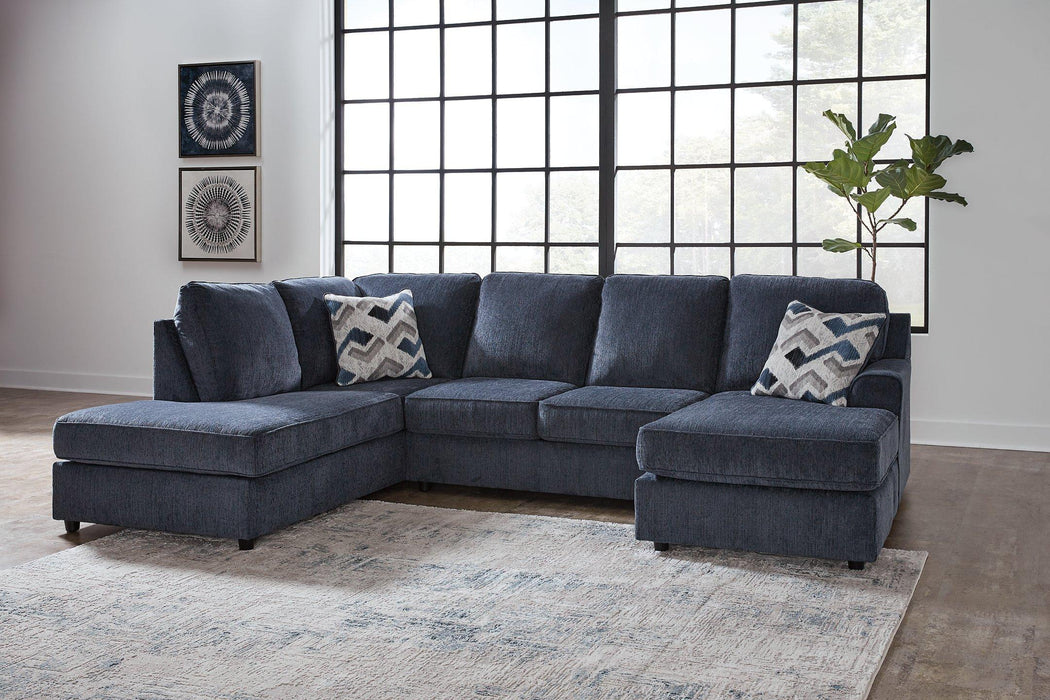
New living room furniture improves home function when it solves specific problems you face daily, such as clutter that won’t stay contained, seating that can’t accommodate your actual life, traffic flow that forces awkward detours, or pieces from 2010 that simply don’t work anymore. The decision isn’t about following trends. It’s about whether the furniture you live with supports or sabotages how you actually use the space.
Quick Answer: When New Furniture Actually Improves Daily Life
Function comes first. If new sofas, sectionals, or storage pieces improve how people sit, move, work, play, and host in the room, the investment is justified. Here are the concrete trigger situations that signal it’s time:
-
Sagging sofa cushions from a 2012 purchase that don’t spring back when you stand
-
A coffee table too small for board games, snacks, and remotes simultaneously
-
Not enough seats for 6-person movie nights, leaving guests on the floor
-
Zero storage for kids’ toys in a 15 × 12 ft living room
-
Walkways are so cramped that you sidestep furniture daily
-
No surface or seating that supports work-from-home tasks
When your living room furniture collection solves these problems, you’re not just redecorating, you’re reclaiming how the room functions.
Signs Your Current Living Room Furniture Is Holding Back Function
Furniture bought for a different life stage, that pre-kids set from 2009, the hand-me-down sofa from your first apartment, often no longer fits today’s routines. Your living space has evolved, but the furniture hasn’t kept pace.
Watch for these specific signs:
-
Visible sagging in a 10+ year old sofa that no longer supports proper posture
-
Guests are standing during gatherings because the seats are limited to four people
-
Blocked walkways under 30 inches wide, forcing everyone to squeeze past
-
A coffee table perpetually covered in clutter because it lacks storage
-
Armchairs are placed so that people twist awkwardly to see the TV
-
No dedicated spot for a laptop during work-from-home sessions
-
A 7-foot sofa that overwhelms your 12 × 10 ft room, eating up all the floor space
-
A glass coffee table that shows every fingerprint, toy smudge, and scratch
When these issues accumulate, no amount of rearranging furniture will fix the underlying problem. The pieces themselves need to change.
How New Seating Can Transform Daily Comfort and Use
Seating, sofas, sectionals, and accent chairs typically get replaced every 7 to 15 years, and they have the single biggest impact on room functionality. Modern furniture pieces offer advantages that older designs simply can’t match. A well-chosen sofa can even create more floor space for kids to play and improve conversation flow in small living rooms.
Today’s sofas and sectionals feature:
-
Seat depth around 21–24 inches for proper thigh support
-
Built-in lumbar support for extended sitting during quiet evenings or TV viewing
-
Stain-resistant fabrics and performance fabrics are ideal for households with kids and pets
-
Durable fabrics that withstand everyday life without showing wear
For a typical 15 × 18 ft living room, you’ll choose between a 3-seat sofa and coffee table paired with two accent chairs, or a larger sectional. The right furniture depends on how the room functions for you. Accent chairs can enhance both the aesthetics and functionality of a room while ensuring it does not feel overcrowded:
|
Configuration |
Best For |
Tradeoffs |
|---|---|---|
|
Sofa + 2 chairs |
Conversation, flexible seating arrangements |
Less lounging space |
|
L-sectional |
TV viewing, family sprawl, and overnight guests |
Less flexibility |
|
Modular pieces |
Changing needs, separate zones |
Higher upfront cost |
Ergonomic details matter for long-term comfort:
-
Arm height that supports reading without hunching
-
Firm-but-comfortable seat cushions that don’t bottom out
-
Seat height in the 17–19 inch range for easier standing (especially important for aging-in-place)
How furniture feels is just as important as how it looks. Soft textiles like upholstered seating, fabric ottomans, and layered cushions create a visually and physically inviting mood, enhancing comfort and psychological well-being.
L-Shaped Sectionals for Medium and Large Rooms
An L-shaped sectional can replace an older sofa-and-loveseat combo, creating a defined main seating group for conversation and TV viewing in one cohesive piece.
Concrete layout example for a 16 × 20 ft room:
-
Place the long side (approximately 9 feet) along the main wall
-
Position the shorter chaise section (approximately 6 feet) projecting into the room
-
Maintain a 36-inch walkway behind the chaise for clear traffic flow
-
Anchor the entire space with a 9 × 12 ft area rug
Placing the sectional along the wall creates a sense of spaciousness and improves the flow of the room, making the area feel more open and welcoming.
This setup supports weeknight streaming sessions, weekend naps on the chaise, and ample seating for at least five people without adding bulky extra seating that clutters the room.
Before: Sofa against one wall, loveseat against another, creates a visual connection but awkward conversation angles. The space feels cluttered with two separate pieces that don’t relate.
After: Single sectional defines the seating area, opens breathing room for a side table and floor lamp, and creates enough room for a clear pathway to the dining area.
Compact Sofas and Chairs for Small Living Rooms
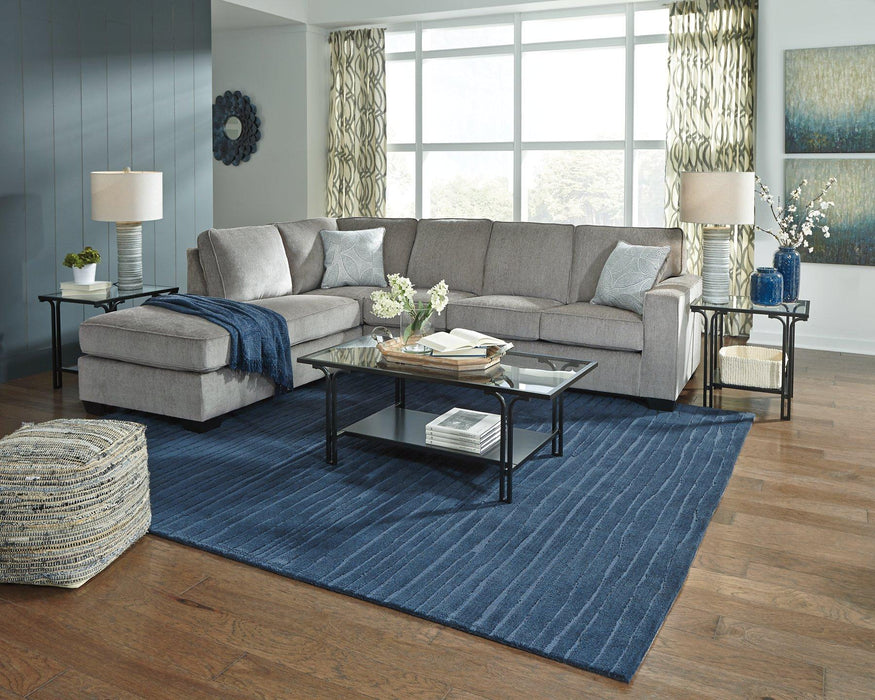
In a small living room, say 12 × 12 ft or 11 × 14 ft, a massive sectional rarely creates a functional space. A smaller 72–78-inch “apartment” sofa paired with one or two accent chairs often works far better.
Critical measurements for a small space:
-
Keep 16–18 inches between sofa and a central coffee table
-
Maintain at least 30 inches for walkways around the seating area
-
Position swivel chairs to serve multiple purposes (conversation, TV viewing)
-
Choose armless or low-profile chairs to keep sight lines open
In limited space, visual openness matters as much as physical floor space. Low-back furniture and exposed legs make rooms feel larger.
For most living rooms under 150 square feet, this combination provides flexible seating without the room feeling cramped. The goal is to make a larger space feel possible within actual constraints.
Storage-Focused Pieces That Instantly Improve Function
Clutter accumulating on floors, the coffee table, and TV stands signals that you need storage furniture, not just organization systems. When surfaces are perpetually buried, it’s time to swap pieces that merely display for pieces that conceal.
Specific storage pieces that reclaim floor space:
-
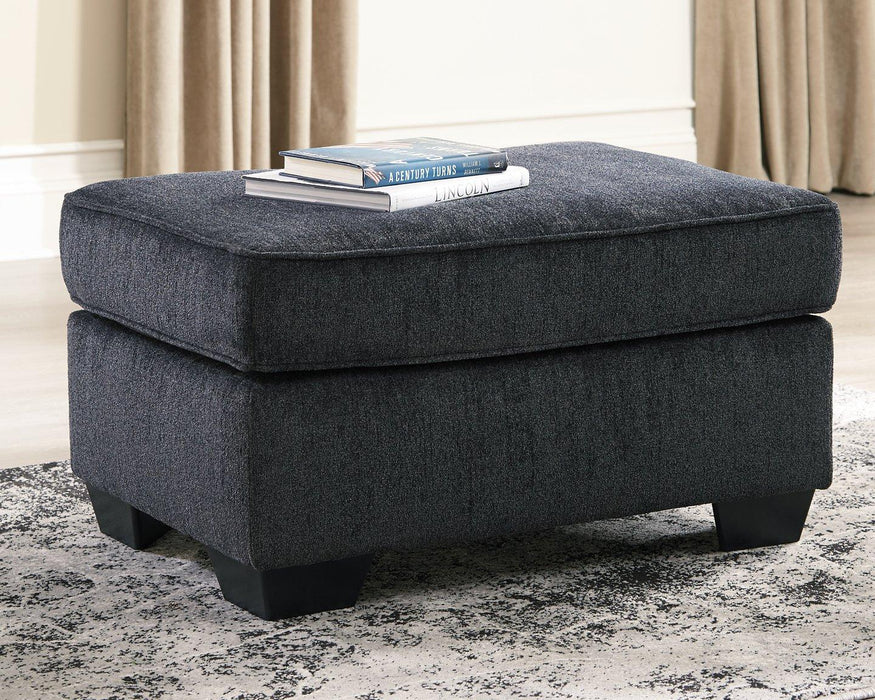
Storage ottomans holding blankets, board games, and remotes (typically 150–200 liters of hidden storage)
-
Coffee tables with drawers and a lower shelf for magazines, coasters, and game controllers
-
Media consoles with doors hiding gaming systems, routers, and tangled cables
-
Narrow bookcases along 8-foot walls for vertical storage that doesn’t eat floor area
-
Console tables behind sofas for lamps, books, and decorative items with built-in storage underneath
Detailed example: A 40-inch storage ottoman positioned in front of your sofa serves four functions simultaneously:
-
Additional seating for guests during gatherings
-
Footrest for evening lounging
-
Surface (with a tray) for drinks and snacks
-
Hidden storage for throw blankets, kids’ toys, and rarely used items
This single piece can eliminate the need for a separate blanket ladder, toy bin, and extra chair, simplifying your entire space while improving the room's feel.
When to Upgrade the Media Console
If your TV sits on a too-small stand from the early 2010s, cables visible, gaming systems stacked precariously, upgrading to a closed-door media console improves both safety and visual appeal.
Sizing guidance for your new media console:
-
Console width should be at least a few inches wider than your TV (a 55-inch TV needs approximately 50 inches of console width minimum)
-
Height around 20–24 inches positions the screen center at seated eye level (42–48 inches from the floor)
-
Closed cabinets hide routers, game systems, and power strips
-
Cable cutouts in the back keep cords contained and invisible
Before scenario: Cords everywhere, router blinking on top of the console, three remotes, and a tangle of charging cables visible from the sofa.
After scenario: Clean, contained media zone with all electronics behind doors. Task lighting from a nearby floor lamp illuminates without competing with the screen. The visual connection between the seating and the TV feels intentional rather than chaotic.
Improving Room Flow and Zoning With Better Layouts
New furniture is the ideal time to rethink layout, traffic flow, and zones. Most people push furniture against walls by default, but this approach rarely creates optimal room functions. Instead, arranging furniture strategically can help create functional zones and optimize the room layout for better flow and usability.
Key principles for improved flow:
-
Walkway measurements: Aim for 30–36 inches in main paths between furniture pieces
-
Avoid pushing every piece tight to the walls; “floating” furniture often improves both conversation and movement
-
Arrange furniture and use rugs to delineate different areas, establishing distinct zones that make the room feel more intentional and organized
-
Use a sofa or sectional to subtly divide open-plan spaces into living and dining or office zones without room dividers or walls
-
Anchor your seating area with a single large area rug (8 × 10 ft or 9 × 12 ft)
-
Mark secondary zones, reading corner, play area, with smaller rugs
-
Using rugs to define zones in a living room can create a more structured and inviting space
Example for a 20 × 15 ft open-plan area:
-
Position sectional perpendicular to the longest wall, creating a visual boundary
-
The back of the sofa faces the dining table, which serves as a natural room divider
-
A console table behind the sofa provides a surface for a table lamp and separates zones
-
Clear 36-inch pathway runs from entry through living area to kitchen
This approach works because the entire space remains visually connected while functional zones stay distinct.
Conversation-Friendly Layouts
The classic conversation circle creates seating arrangements that encourage natural dialogue without straining voices:
-
3-seat sofa facing two armchairs (or two accent chairs)
-
All pieces are pulled onto an 8 × 10 ft rug that defines the zone
-
Round or oval coffee table approximately 16–18 inches from the front edge of the sofa
-
Seating positions kept 8–9 feet apart, close enough for easy conversation
Angle chairs inward about 10–15 degrees to make the grouping feel more welcoming. This subtle adjustment signals “come join us” rather than “we’re watching TV.”
Research in environmental psychology shows that spatial arrangements directly influence social behavior. Circular groupings encourage longer stays and deeper conversations compared to linear setups.
Add side tables between or beside chairs for drinks and phones. This prevents the coffee table from becoming the dumping ground for everything.

Multi-Use Zones: Work, Play, and Relaxation
A single room often needs to serve multiple functions: TV viewing, work-from-home tasks, kids’ play, and relaxation. Creating functional zones within one space requires intentional furniture choices.
Work zone example for a 14 × 18 ft room:
-
Place a compact writing desk (approximately 40 inches wide) near a window behind the sofa
-
Position a task lamp for focused work without affecting overhead lighting in the main area
-
Add a slim file cabinet or storage pieces underneath
-
Natural light from the window frame supports focus and circadian rhythms
Play zone setup:
-
Designate a corner with a soft rug, a toy bin with a lid, and an armless chair
-
Keep activities visible from the main seating area for supervision
-
Window seats or floor cushions provide flexible seating for kids
-
The storage ottoman nearby contains overflow toys
A day in the life of multi-use zones:
-
Morning: Work at the desk while kids play in the designated corner
-
Afternoon: Desk cleared, coffee table becomes homework station
-
Evening: Layered lighting shifts focus to the conversation area; window treatments close for TV viewing
-
Weekend: Play zone expands onto the main rug for family board games
This approach respects that modern living rooms rarely serve just one purpose.
Health, Maintenance, and Long-Term Value of New Furniture
Modern materials and construction methods improve health outcomes and reduce maintenance compared to aging upholstery and frames. Quality furniture today is genuinely different from what was available even a decade ago.
Health and cleaning advantages of newer furniture:
-
Older sofas (10–15 years old) often harbor dust mites and allergens deep in cushions, especially without professional cleaning
-
New soft fabrics feature antimicrobial treatments and breathable construction
-
Removable, washable cushion covers suit families with kids and pets
-
Denser foam cores resist the compression that traps dust and debris
Durability considerations:
-
Solid wood or metal frames with reinforced joints extend lifespan significantly
-
Quality furniture with proper construction avoids sagging, creaking, and costly repairs over the next decade
-
Kiln-dried hardwood frames resist warping and structural failure
Studies show that furniture’s tactile engagement, the experience of sinking into supportive cushions, directly influences stress reduction. Worn-out pieces that no longer provide this comfort may actively undermine relaxation.
Replacement example: A 12-year-old sectional with flattened cushions and a squeaky frame collects allergens that vacuuming can’t reach. Replacement with a sectional featuring removable, washable covers and a reinforced frame delivers both health benefits and improved daily function.
When Replacement Is Better Than Repair
Sometimes the question isn’t whether to buy new furniture, it’s whether repair makes sense. Clear decision guidelines help:
-
When seat cushions stay indented after you stand, the foam has permanently compressed
-
Frames that creak and wobble indicate structural failure, not simple wear
-
Fabric tears in high-contact areas often spread faster than patches can contain
-
Springs that poke through cushions signal a complete support system failure
The 30-40% rule: If repairs cost more than 30–40% of a comparable new piece, and the item is over 8–10 years old, replacement typically delivers better long-term value.
Reframe the decision: Swapping one failing large item (like a 15-year-old sofa) often unlocks more functional change than buying several small decor pieces. That budget spent on throw pillows and accessories won’t fix how the room functions if the primary seating no longer works.
Creating a Beautiful and Functional Space
A living room should be more than just a place to sit; it’s the heart of your home, where style meets everyday life. The right living room furniture collection not only elevates the room’s visual appeal but also transforms how the room functions, making it a space you truly enjoy spending time in.
When designing a beautiful and functional living space, start by considering how you want the room to feel and flow. In a small living room, every inch counts, so choose furniture pieces that are proportionate to the space. A compact sofa and coffee table can anchor the seating area without overwhelming the floor space, while accent chairs offer flexible seating for guests or quiet evenings.
Arranging furniture thoughtfully is key to both comfort and aesthetics. Position your sofa and coffee table to create a natural conversation circle, and use a central coffee table to define the seating area. A console table behind the sofa adds depth and provides a spot for decorative items or extra storage, helping to keep the space clutter-free. Built-in storage, such as shelves or benches, maximizes floor space and keeps essentials within reach without sacrificing style.
Lighting also plays a crucial role in how the room functions and feels. Take advantage of natural light by arranging furniture to keep windows unobstructed, making the space feel open and airy. Layer in task lighting with a floor lamp or table lamps to create a cozy ambiance and ensure there’s enough light for reading, working, or relaxing. For added warmth and definition, use an area rug to anchor the seating area and tie the room together.
To further enhance functionality, incorporate storage furniture like a media console or a coffee table with drawers. These pieces keep electronics, remotes, and everyday clutter out of sight, maintaining a tidy and inviting atmosphere. For extra seating, consider a window seat or a pair of swivel chairs that can easily adapt to different seating arrangements. Stain-resistant fabrics and durable materials ensure your furniture stands up to the demands of everyday life, while still looking great.
If your living room doubles as a dining area, a compact dining table can create a separate zone for meals or work without crowding the space. Multifunctional pieces, such as a storage ottoman that serves as both a table and extra seating, are especially valuable in limited spaces.
Ultimately, creating a beautiful and functional living room is about making intentional choices that reflect your lifestyle and personal taste. Choose quality furniture that feels comfortable and looks inviting, and don’t be afraid to experiment with different layouts until you find what works best for your home. By focusing on both form and function, through smart furniture placement, layered lighting, and clever storage, you’ll create a living space that’s as practical as it is stylish, ready to support every aspect of your everyday life.
Planning Your Upgrade: Step-by-Step to a More Functional Living Room
Moving from “frustrating living room” to a functional space doesn’t require months of deliberation. With a clear plan, most people can complete a meaningful upgrade within a few weeks.
Sequential planning steps:
-
Measure the room completely: length, width, ceiling height, and note all doors, windows, and architectural features
-
Document what doesn’t work: List every frustration, clutter, seating gaps, blocked walkways, and missing storage
-
Define your top three functions: Examples include TV viewing + work-from-home + hosting, or family lounging + play + conversation
-
Set a budget range with clear priorities: what’s essential vs. nice-to-have
-
Map furniture placement on paper or with a free room planner app before purchasing
Furniture priority order:
-
Primary seating first (sofa or sectional), which determines the room layout
-
Storage pieces next (media console, coffee table with storage, ottomans)
-
Accent chairs and side tables to complete seating arrangements
-
Lighting last (floor lamp, table lamps, window treatments for light control)
Example timeline:
|
Week |
Tasks |
|---|---|
|
Weekend 1 |
Measure the room, photograph the current layout, and list all pain points |
|
Week 1–2 |
Research options, visit stores to test comfort, finalize selections |
|
Week 2–3 |
Order furniture, plan delivery dates, and clear old pieces |
|
Week 3–4 |
Receive delivery, experiment with layout, return or exchange anything that doesn’t work |

Practical tips for the process:
-
Order furniture today with return policies that allow testing in your actual space
-
Test layouts before delivery by marking furniture footprints with painter’s tape
-
Plan for delivery logistics: doorway widths, stair turns, elevator dimensions
-
Keep packaging for 48 hours in case immediate returns are needed
The goal isn’t perfection on day one. It’s creating a living room where furniture choices support your actual life rather than fighting against it.
Function-first furniture choices transform how you use your living room daily. When you start with measurements and pain points rather than aesthetics alone, the rest follows naturally. Your furniture arrangement should make everyday life easier, not just look good in photos.
This weekend, grab a tape measure and document your room’s dimensions and your three biggest frustrations. That foundation makes every furniture decision clearer. Whether you need more storage, better seating, or improved traffic flow, knowing your specific problems ensures your furniture investment actually solves them.
Get Your Living Room Furniture at Dimensional Outlet Furniture Today

Your living room should be a space that feels comfortable, functional, and ready for everyday life. At Dimensional Outlet Furniture, our living room furniture collection includes sofas, sectionals, chairs, and accent pieces designed to fit a variety of layouts and lifestyles. Each piece is selected for durability, comfort, and long-lasting value.
Explore our living room furniture selection today and find the right pieces to complete your space. Whether you’re upgrading a single item or furnishing your entire living room, Dimensional Outlet Furniture offers options that combine style, practicality, and everyday comfort.