
Why Mattress Thickness Impacts Comfort More Than You Think: A Quick Guide

Mattress thickness impacts comfort more than you think, as it determines support and pressure relief. Thicker mattresses generally offer better weight distribution, enhancing sleep quality. This article will explain why mattress thickness impacts comfort more than you think and guide you in choosing the right thickness for your needs.
Key Takeaways
-
Mattress thickness is crucial for comfort and support, directly impacting your sleep quality by providing proper weight distribution and pressure relief.
-
Thicker mattresses typically feature enhanced materials and layers that improve durability, motion isolation, and temperature regulation, making them ideal for various body types and sleeping positions.
-
When choosing a mattress, consider your sleeping position, body weight, and personal preferences, with a recommended thickness range of 10 to 14 inches for optimal comfort.
Understanding Mattress Thickness

Mattress thickness refers to the depth of the mattress, measured from top to bottom without any bed frame or foundation. It’s a critical factor that determines not just how a mattress feels but also how it performs over time. The comfort and support that a mattress provides are intrinsically linked to its mattress’s thickness, and mattress thickness affect your overall sleeping experience.
The factors that determine mattress thickness include the thickness of various layers, the type of materials used, and the overall design of the mattress. For instance, a mattress might have multiple comfort layers made of memory foam or latex, and these layers contribute significantly to its overall depth and feel. The support core, often made of dense foam or coils, also plays a crucial role in defining the mattress’s thickness.
Mattress thicknesses typically range from 6 to 16 inches or more, providing a wide array of choices for different preferences and needs. Differentiating between mattress thickness and bed height is crucial; bed height includes both the bed frame and mattress depth. Understanding these distinctions can help you make an informed decision when selecting a new mattress, and referring to a common mattress thickness chart can be beneficial. The standard mattress thickness can also guide your selection process by using a mattress thickness guide.
The Role of Mattress Layers in Comfort
Layering in mattresses is not just a design choice; it’s an essential aspect that contributes to the overall feel and performance of the bed. Each layer in a mattress plays a unique role in ensuring you sleep comfortably:
-
The top comfort layers provide cushioning.
-
These layers distribute your body weight to alleviate pressure points.
-
The bottom support layers offer foundational support.
Different mattress materials used in comfort layers affect how well the mattress conforms to your body:
-
Memory foam: Known for its ability to contour to your body shape, providing personalized comfort and support.
-
Foam mattress: Offers a more buoyant feel and is great for those who prefer a bit of bounce in their bed.
-
Latex mattresses: (Description not provided in the text).
Comfort layers can also include:
-
Various cooling technologies, like gel infusions, help manage temperature during sleep.
-
Minicoils and microcoils to enhance breathability and provide additional bounce.
-
Natural fibers like cotton and wool, valued for their breathability and sustainable qualities, add another layer of comfort.
The thickness of the comfort layers varies depending on the mattress firmness. Firmer mattresses typically feature thinner comfort layers, while softer options may have thicker ones. This variation ensures that regardless of your sleeping style, there’s a mattress out there that can provide the right balance of comfort and support for you.
How Mattress Thickness Affects Sleep Quality
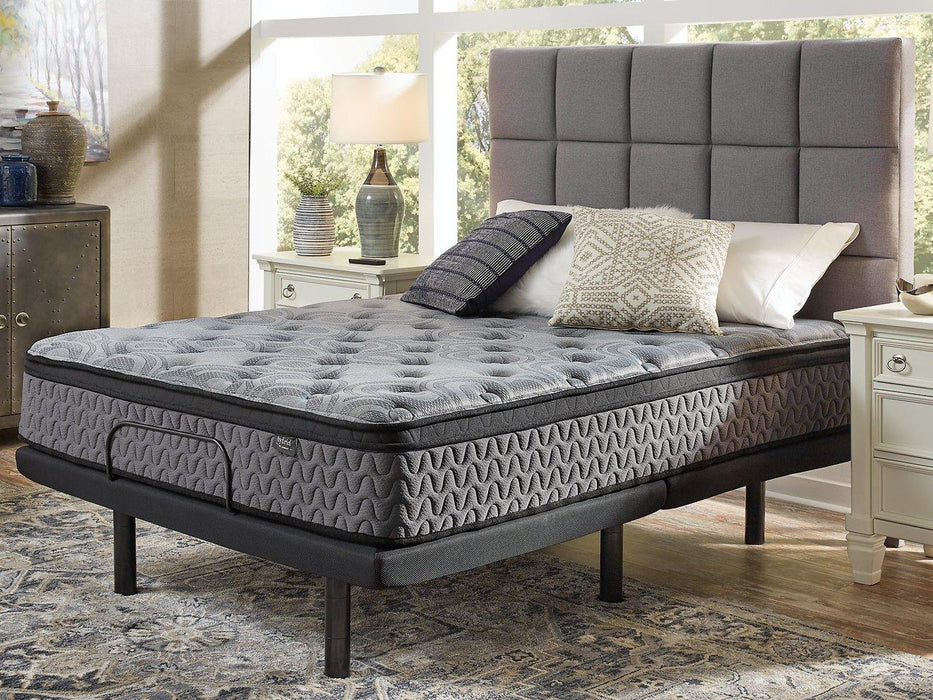
Mattress thickness is a significant determinant of how comfortable and supportive a mattress feels during sleep. One of the primary reasons thicker mattresses are often preferred is that they provide better weight distribution, which can relieve pressure points and improve sleep quality. The additional layers in a thicker mattress also contribute to how mattress thickness affect durability, allowing it to last longer, enhancing mattress durability.
Thicker mattresses are particularly effective at relieving pressure on critical areas like the shoulders, hips, and back. This pressure relief is crucial for maintaining proper spinal alignment, which is essential for a good night’s sleep. For instance, most mattresses, including foam mattresses and innerspring mattresses, are known for their ability to conform to body curves, aiding in spinal alignment and providing robust support.
However, thinner mattresses often fall short in providing adequate support, especially under higher pressure. This inadequacy can lead to sagging and discomfort, affecting your sleep quality over time. Balancing mattress thickness with your specific needs ensures you get the appropriate level of support and comfort.
Sleeping Positions and Mattress Thickness
Your sleeping position plays a significant role in determining the ideal mattress thickness for you. Different sleep positions and sleeping styles require varying levels of mattress support and cushioning to ensure proper comfort and spinal alignment, making a supportive mattress essential. Sufficient support is crucial for achieving the best sleep quality.
Side sleepers typically benefit from a mattress at least 12 inches thick for sufficient pressure relief on their shoulders and hips. Back sleepers, on the other hand, often find a mattress thickness of 10 to 12 inches ideal for maintaining the natural curvature of the spine. This thickness provides the right balance of support and comfort, helping to prevent back pain and ensure a restful night’s sleep for the side sleeper.
Stomach sleepers and back and stomach sleepers may require a mattress around 10 inches thick to prevent excessive sinking of the midsection, which can lead to discomfort and improper spinal alignment. Additionally, lighter sleepers typically prefer softer mattresses for better cushioning and pressure relief, which can also be influenced by the mattress’s thickness.
Body Weight and Mattress Thickness
Body weight is a critical factor that influences the necessary support and comfort level of a mattress. For individuals weighing over 230 pounds, consider the following:
-
A mattress thickness of 12 to 14 inches is generally recommended.
-
This thickness provides adequate support.
-
It helps prevent excessive sinkage.
-
Ensures the mattress can accommodate extra weight without compromising comfort.
Individuals weighing between 130 and 230 pounds often find medium to medium-firm mattresses most suitable. These mattresses provide a good balance of support and comfort, making them ideal for an average mattress for average-weight individuals. A thicker mattress often offers better support for various body weights, accommodating heavier individuals effectively.
The thickness of the comfort layer in a mattress can significantly affect how well it supports heavier individuals. Heavier sleepers often require a firmer mattress to ensure proper spinal alignment and prevent excessive sinkage. The support core of the mattress is also crucial in accommodating various body weights, helping to prevent sagging and maintain durability.
Bed Frames and Mattress Thickness
The height of your low bed frames and foundation can significantly influence your choice of mattress thickness. A higher bed frame may require a thinner mattress to balance the overall bed height, while a lower frame might benefit from a thicker mattress to achieve the desired elevation. This balance is essential for both aesthetics and ease of access.
The thickness of a mattress can affect how it feels. It can also influence the overall style of your bedroom. A thicker mattress can create a more luxurious look and feel, while also requiring deeper pocket sheets for proper bedding fit. For optimal aesthetics and ease of access, the mattress height should ideally surpass the footboard by about 4 to 6 inches.
Mattress thickness preferences and characteristics include:
-
Taller individuals or those seeking a more luxurious bed feel may find a thicker mattress essential.
-
Low-profile mattresses, which are under 8 inches thick, are typically firmer and suitable for children or specific bed types like bunk beds. Different mattress types can also influence comfort levels.
-
A little extra height can be preferred to accommodate longer legs comfortably.
Benefits of Thicker Mattresses

Thicker mattresses typically provide:
-
A more luxurious feel, enhancing overall sleeping comfort.
-
Improved sleep quality by offering more cushioning and reducing pressure points, ideal for those who suffer from joint pain or discomfort. A softer mattress can also contribute to this comfort. Thicker mattresses tend to enhance durability due to added layers, making them less prone to wear and tear over time. A thick mattress can also be a great addition for those seeking extra comfort. Mattress toppers can also be a great addition for those seeking extra comfort.
One of the significant advantages of thicker mattresses is their strong edge support, which contributes to their longevity and overall performance. Thicker mattresses also excel in reducing motion transfer, which is beneficial for couples sharing a bed. This motion isolation helps ensure that one person’s movements don’t disturb the other’s sleep, providing better edge support.
Thicker mattresses frequently include advanced materials and layers, improving temperature regulation during sleep. This feature can be particularly beneficial for those who tend to sleep hot, as it helps maintain a cool and more comfortable sleeping environment.
Drawbacks of Thinner Mattresses
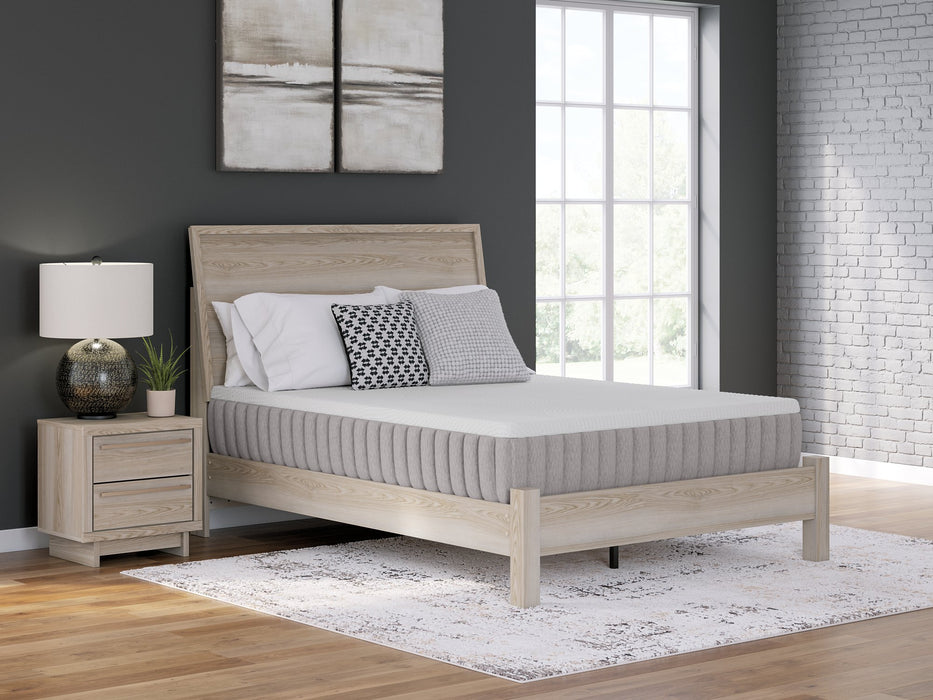
Thinner mattresses often struggle to provide adequate support due to their limited material and reduced thickness. This lack of support can be particularly problematic for heavier individuals, leading to discomfort and potential health issues over time. Additionally, low-priced thin mattresses may utilize inferior materials, resulting in quick wear and potential health risks from chemicals. A thin mattress may not be suitable for everyone.
Another drawback of thinner mattresses is the lack of a substantial warranty, which can indicate poor quality and a short lifespan. Without a solid warranty, consumers may find themselves replacing their mattress sooner than expected, adding to the overall cost. A mattress that is too thin, generally less than 4 inches, may also lead to discomfort and alignment issues.
Carefully considering mattress thickness before purchase is crucial, especially if you have specific support and comfort needs.
Choosing the Right Mattress Thickness

When selecting a mattress thickness, consider factors like:
-
Your sleeping position
-
Body type
-
Preferred firmness
-
Age
-
Whether you have a sleeping partner
The ideal mattress thickness for most people falls between 10 to 14 inches, providing a good balance of support and comfort. This range is versatile enough to accommodate various needs and preferences, including the average mattress thickness.
For heavier sleepers or those with specific conditions like arthritis or hip pain, extra-thick mattresses (14 inches or more) are often recommended for their enhanced support. On the other hand, those with specific needs should also consider how mattress thickness affects more support and pressure relief to ensure a comfortable and restful sleep.
Shop At Dimensional Outlet Furniture Today!
Many people believe that the firmer the mattress, the better it is for back pain—but that’s not always true. While a firm mattress can offer solid support, it may also create too much pressure on your spine, hips, and shoulders, leading to discomfort over time. The key to relieving back pain lies in finding the right balance between firmness and cushioning that supports your body’s natural alignment.
A mattress that’s too firm doesn’t allow your spine to rest in its natural curve, which can worsen back pain and stiffness. On the other hand, a mattress that’s too soft might let your body sink too deeply, causing poor posture and uneven weight distribution. The best choice is often a medium-firm mattress, which offers both support and contouring comfort.
At Dimensional Outlet Furniture, we carry a variety of mattresses designed to promote healthy sleep posture and spinal support. Our team can help you choose the perfect mattress that fits your unique body type, sleeping position, and comfort preference. You’ll find options that reduce pressure points, enhance circulation, and let you wake up feeling refreshed and pain-free.
Don’t let back pain ruin another night’s sleep. Visit Dimensional Outlet Furniture today to explore mattresses that truly support your body and help you rest better—because comfort and proper alignment should always go hand in hand.
Summary
Choosing the right mattress thickness is crucial for achieving optimal comfort and support during sleep. From understanding the basic concept of mattress thickness to considering factors like sleeping position and body weight, this guide has covered everything you need to make an informed decision.
Remember, a thicker mattress can offer enhanced durability, better motion isolation, and improved temperature regulation, making it a worthwhile investment for your sleep quality. So, take the time to assess your needs and choose the right mattress thickness for a restful and rejuvenating night’s sleep.
Frequently Asked Questions
How does mattress thickness affect sleep quality?
Choosing the right mattress thickness can significantly enhance your sleep quality by ensuring proper spinal alignment and offering essential support. Prioritize comfort and pressure relief to wake up refreshed and revitalized!
What is the ideal mattress thickness for side sleepers?
For side sleepers, a mattress thickness of at least 12 inches is ideal to provide the necessary pressure relief for your shoulders and hips. Choose wisely and enjoy a restful night's sleep!
Why do heavier individuals need thicker mattresses?
Heavier individuals need thicker mattresses to ensure proper support and prevent excessive sinkage, which helps maintain spinal alignment and comfort. Choosing a mattress that is 12 to 14 inches thick can make a significant difference in your sleep quality!
What are the drawbacks of thinner mattresses?
Thinner mattresses can lack proper support, particularly for heavier individuals, and may wear out quickly due to inferior materials. Choosing a thicker mattress can ensure better comfort and longevity for a healthier sleep experience.
How does bed frame height influence mattress thickness choice?
Choosing the right mattress thickness is crucial to match your bed frame height, achieving both comfort and style. Aim for a harmonious balance to enhance your space and make getting in and out of bed easier!