
How the Wrong Dining Table Can Kill Conversation Flow and How to Fix It

Ever wondered why conversations at dinner sometimes fall flat? It might be your dining table. Indeed, how the wrong dining table can kill conversation flow by creating physical barriers and discomfort. In this article, we uncover why this happens and how to choose the right table to foster engaging conversations.
Key Takeaways
-
The shape of your dining table affects conversation flow, with round tables promoting intimacy while square tables may limit engagement for larger groups.
-
Proper seating arrangements and spacing are essential for facilitating interaction during meals, ensuring guests feel connected and comfortable.
-
Materials, decor, and lighting play crucial roles in creating an inviting atmosphere that enhances conversation, while tech-free zones help maintain focus on interpersonal connections.
Importance of Dining Table Shape

The shape of your dining table significantly influences how conversations flow during meals. Round tables, for instance, are known for creating a cozy atmosphere where all guests can engage equally. This shape fosters intimacy and ease of communication, making it ideal for fostering connections during meals. In our experience, round tables have always facilitated lively discussions, ensuring no one feels left out.
Square tables, on the other hand, offer symmetry and balance, which can be perfect for smaller gatherings. However, they may limit seating capacity for larger groups, potentially hindering the dynamics of conversation during meals. We’ve noticed that while square tables are great for intimate dinners, they can sometimes make larger gatherings feel cramped and less interactive.
Ultimately, the shape of your table can either enhance or hinder mealtime conversations. Selecting a shape that suits your typical dining plate scenarios helps create an environment conducive to open dialogue and connection, where you can discuss ideas freely.
Size Matters: Finding the Right Scale
When it comes to dining tables, size truly matters. Rectangular tables are often preferred for their ability to accommodate more guests, providing a sense of structure and formality. However, the size of the table directly influences conversation dynamics, impacting guest interactions and comfort.
Allowing about one foot of table length per person provides ample room for everyone without overcrowding the space. This rule of thumb ensures everyone can eat comfortably and engage in conversation.
While round tables enhance social interaction, they might not provide sufficient space for serving multiple dishes during large gatherings. It’s all about finding the right balance between accommodating your guests and maintaining a comfortable, inviting environment.
The Impact of Seating Arrangement
Seating arrangements can make or break the flow of conversation at your dinner parties. Cramped layouts or isolated seating can hinder lively discourse, making guests feel disconnected. We’ve learned that arranging seats in a circular or semi-circular layout can turn facilitate better interaction and engagement among participants.
Clear pathways to avoid congestion and facilitate smooth movement are crucial. Maintaining a spacing of 30 to 33 inches between chairs for formal dining and 24 to 27 inches for family-style dining keeps the atmosphere relaxed and inviting. This arrangement allows guests to see each other easily, fostering inclusive conversations.
To enhance conversation flow and social interactions during dining:
-
Avoid barriers like large centerpieces to prevent interruptions in conversation flow.
-
Position the dining table centrally to enhance social interactions.
-
Arrange seating thoughtfully to ensure a smooth flow of conversation and a comfortable atmosphere.
Material and Acoustics
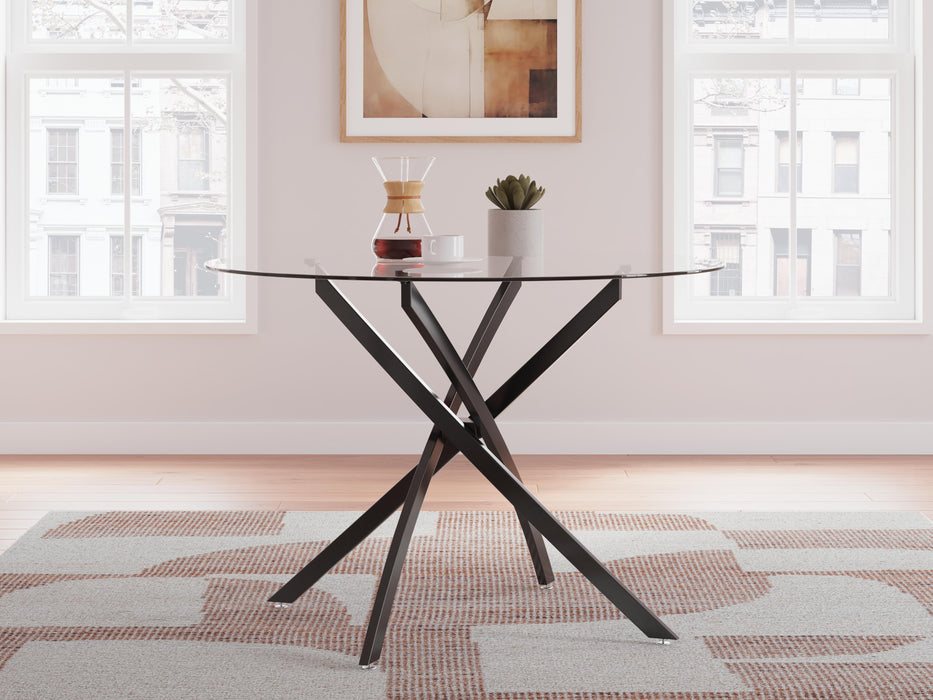
The materials of your dining table significantly affect sound levels and conversation clarity. Hard surfaces like glass and metal amplify sound waves, increasing reverberation and making conversations harder to understand. These materials can create a noisy environment that distracts from the meal.
On the other hand, wood is known for its ability to absorb sound, reducing echo and enhancing clarity during discussions. Selecting materials like wood can help minimize distractions and improve the overall tone of conversations at the dining table, especially when talking about what truly does matter.
In our experience, wooden tables create a warm, inviting atmosphere that encourages meaningful dialogue among people and helps to ease the struggle of difficult conversations, which many would agree is essential for fostering a strong relationship. In fact, this story environment can significantly enhance communication.
Table Decor and Centerpieces
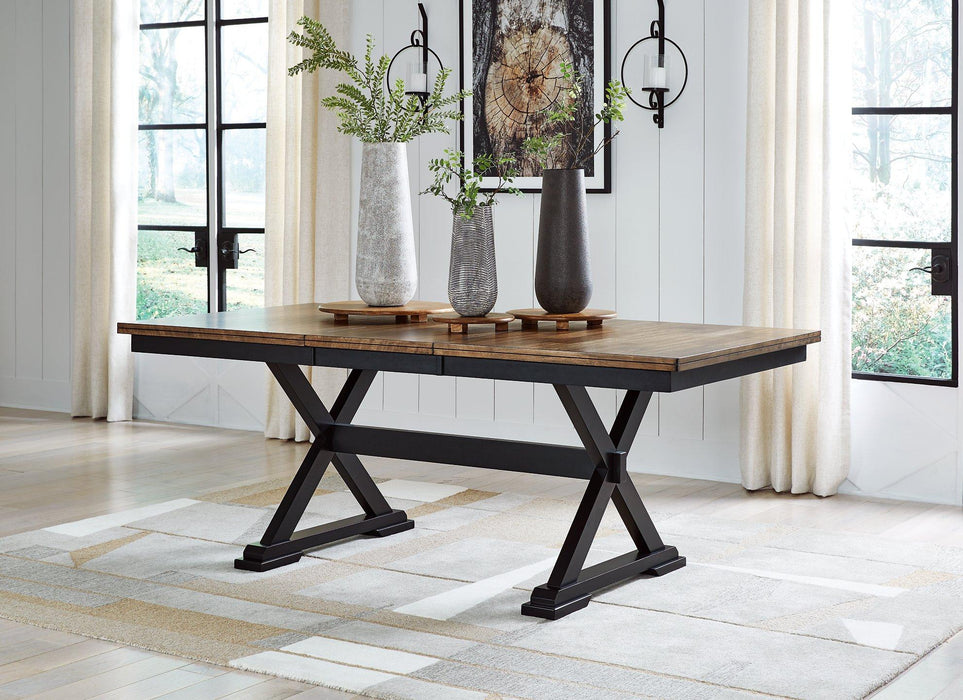
Table decor and centerpieces can either facilitate or hinder conversation. Centerpieces should not create barriers, maintaining openness. Centerpieces with limited color palettes of two or three colors create visual cohesion and simplicity.
Ideally, centerpieces should be two-thirds the length of the table to allow for proper seating arrangements and unimpeded interaction. By keeping the decor simple and functional, you ensure that your dinner guests can easily see and talk to one another, enhancing the overall dining experience. Half of the decor should focus on functionality to achieve this.
Lighting and Its Role in Conversation

Good lighting creates a warm and inviting atmosphere. Poor lighting makes food look unappealing and creates an unwelcoming ambiance. A solitary bright light can create harsh glare and make the space feel worse less inviting.
A layered approach with soft hanging lights, warm LED strips, and candles is recommended. Warm color temperatures create a cozy dining atmosphere, especially at night.
Different lighting setups are needed throughout the day to create the right mood for breakfast, lunch, and dinner. Adjusting the lighting to suit the time of day and occasion enhances the dining experience and fosters engaging conversations.
Tech-Free Zones: Reducing Distractions
In today’s digital age, creating a tech-free zone at the dinner table maintains the flow of conversation for parents. Involving teenagers in setting screen-free guidelines increases compliance and improves family interactions. Establishing clear boundaries around technology use, including the tv, helps everyone stay present and engaged during meals.
Reducing distractions ensures that everyone can focus on the conversation and enjoy the meal without constant interruptions. Encouraging face-to-face communication creates a more intimate and connected dining experience.
Ergonomics and Comfort
Comfortable seating is crucial for a relaxed environment that encourages conversation. A slight backward slope in the seat design helps maintain spinal curvature and improve sitting comfort. Chairs with proper lumbar support prevent slouching and alleviate back pain during prolonged sitting.
The backrest and armrests of a dining chair should be designed as follows:
-
The backrest should support the upper back and be positioned 35-50 cm above the seat.
-
Armrests should be at a height of 20-25 cm above the seat to enhance comfort and reduce shoulder strain.
-
Elderly guests will appreciate armrests as they aid in sitting down and standing up.
To test the comfort of dining chairs, consider the following:
-
Sit in the chair as if for a two-hour dinner to evaluate its suitability.
-
Look for features like cushioned seats, breathable fabric, and adequate back support.
-
Prioritize ergonomics and comfort to ensure your dinner guests can focus on the conversation without rest discomfort.
Personal Touches to Enhance Connection
Adding personal touches to the dining table enhances the sense of connection among guests. Handwritten place cards and textured menu cards make guests feel special and appreciated. Unique table runners add color and texture, making the drawing setting more inviting.
Customizable napkin rings add a personal flair to each place setting, allowing for individuality and attention to detail. Establishing tech-free meals promotes face-to-face communication, enhancing emotional connections at this important point.
These thoughtfulness details can transform a simple meal into a memorable moment date experience, for example, a subtle eating tip, love, character.
Creating a Cohesive Dining Space
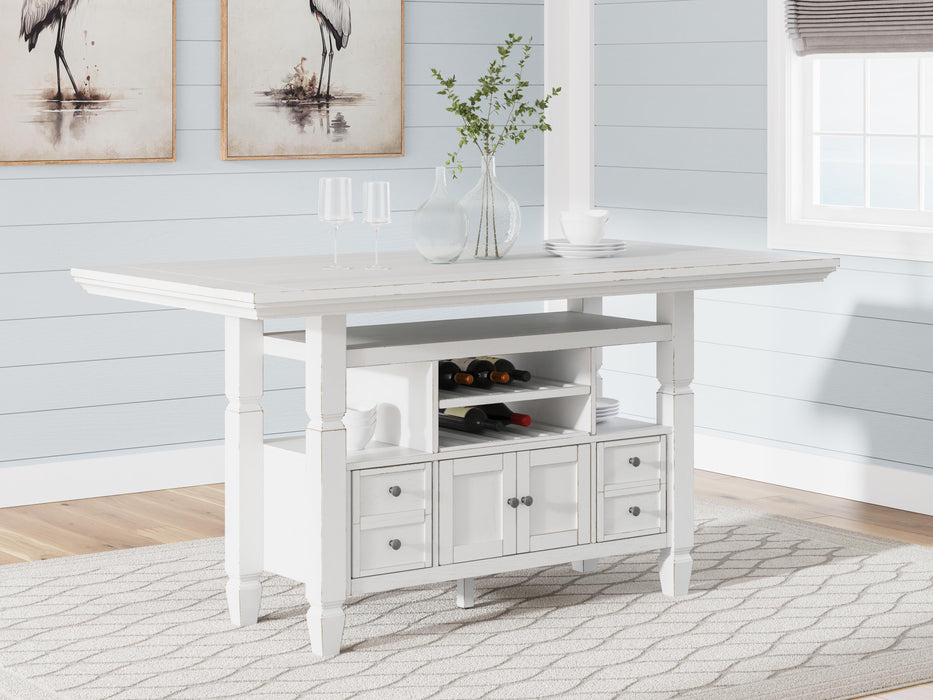
Creating a cohesive dining space that enhances conversation involves careful planning and attention to detail. The dining table should ideally occupy one-third of the room’s length for optimal balance. Maintaining a minimum clearance of 36 inches between the table edge and surrounding walls or furniture facilitates movement and prevents a cramped environment.
To enhance the dining experience:
-
Balance large and small furniture items to create visual harmony and improve the dining atmosphere.
-
Use proper lighting to influence diners’ behavior and affect their overall dining experience and satisfaction.
-
Incorporate personal photos as part of the table decor to spark conversations and memories.
Interactive elements, like a shared recipe card at each place setting, foster communal sharing and connection. Creating a cohesive and inviting dining space ensures that your dinner guests feel comfortable and engaged throughout the meal as you share meals with your partner.
Shop At Dimensional Outlet Furniture Today!
At Dimensional Outlet Furniture, we pride ourselves on offering a diverse selection of quality furniture and accessories at unbeatable prices. Whether you’re looking to revamp your dining room or find the perfect chairs to complete your set, we have something for every style and budget.
Our attentive customer service ensures an enjoyable shopping experience, and with quick delivery times, you can start rushing to enjoy your new furniture within days of success and a week of ordering, making it feel like nothing is impossible.
Visit our store or browse our latest website collections online today and discover how we can help you learn to create the dining room where you can live and dine in your dreams.
Summary
The right dining table and decor can transform your dining experience, fostering vibrant conversations and deeper connections. From selecting the appropriate shape and size to ensuring comfortable seating and proper lighting, every detail plays a crucial role in creating an inviting atmosphere. By incorporating personal touches and maintaining a tech-free zone, you can enhance the sense of connection among your dinner guests.
Remember, creating a cohesive dining space is not just about aesthetics; it’s about making your guests feel comfortable, engaged, and valued. With these tips, you’ll be well on your way to hosting memorable meals that bring people together.
Frequently Asked Questions
What shape of dining table is best for fostering conversation?
A round dining table is ideal for encouraging conversation because it allows everyone to connect easily, creating a warm and inviting atmosphere. This shape promotes equality among guests, making discussions more lively and inclusive.
How much space should I allocate per person at the dining table?
You should allocate about one foot of table length per person to ensure everyone has enough space to eat comfortably and chat easily. This way, your dining experience will be enjoyable for all!
What seating arrangement is best for encouraging interaction?
A circular or semi-circular seating arrangement is best for encouraging interaction and engagement among participants. It helps everyone feel included and promotes open communication.
How can I reduce distractions during meals?
To reduce distractions during meals, create a tech-free zone and get everyone on board with screen-free guidelines. This way, you can enjoy better conversations and connections at the table!
What are some personal touches I can add to enhance the dining experience?
Adding personal touches like handwritten place cards and unique table runners can create a welcoming atmosphere for your guests. These small details make the dining experience feel more special and connected.